By Aaron Steiner, General Manager – Oceanographic Products, DeepSea Power & Light
In 2018, scientists and engineers at the Monterey Bay Aquarium Research Institute (MBARI) began researching upgrades to their high-definition camera systems on the 1,800-meter ROV Ventana and the 4,000-meter ROV Doc Ricketts. This search was inspired by the rapid adoption of 4K imaging and MBARI’s experience with leaps in image resolution increasing the quality of scientific observations, driving new insights and the pace of species discovery.
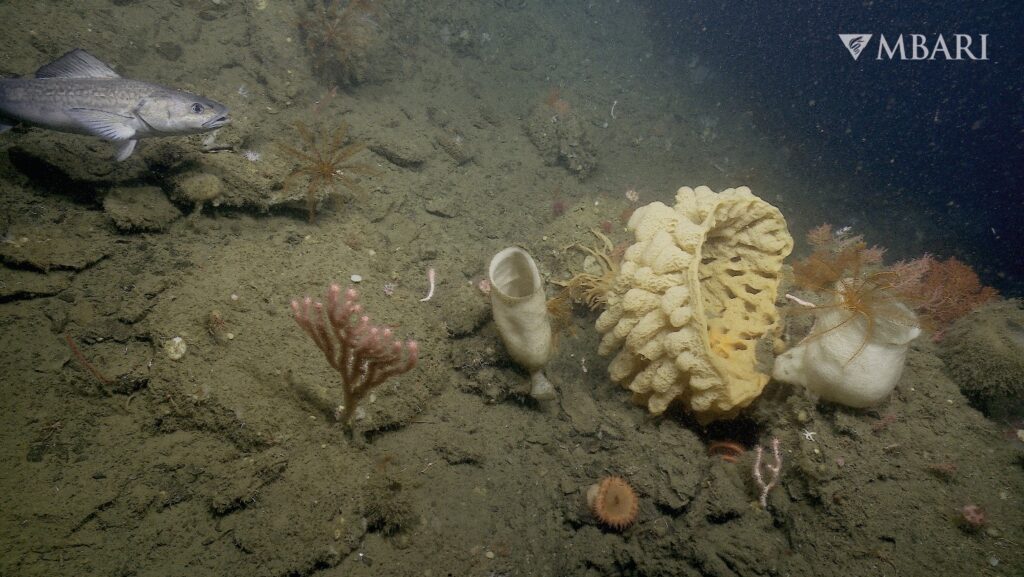
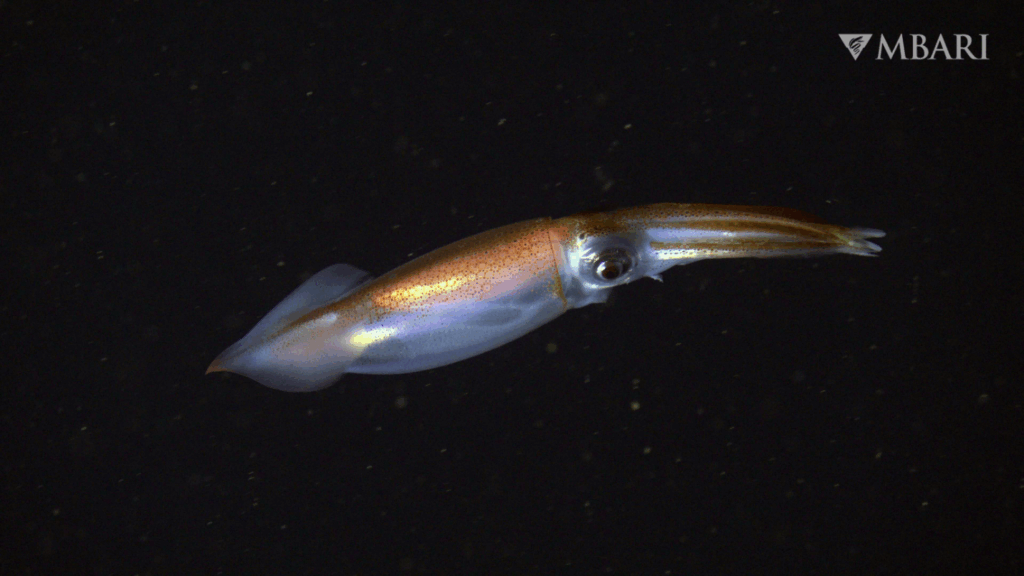
The imagery from MBARI’s ROV systems are used by nearly all research groups at the institute and distributed to scientists and educators globally. Images and video form a unique data record of the deep ocean environment, and are used for research applications as diverse as identifying new organisms to recording the behavior of liquid carbon dioxide at depth. Often, the visual record is the most important data collected from phenomena of interest, and MBARI provides its underwater images and video for uses such as exhibitions at the Monterey Bay Aquarium and video productions by the BBC Nature unit.
The last great advance in MBARI’s video imaging was more than 20 years ago, when MBARI transitioned to recording in high definition, resulting in an epochal improvement in MBARI’s use of video. With video imaging worldwide now transitioning to the 4K formats for acquisition and dissemination, MBARI saw an exciting opportunity to develop a camera system that takes full advantage of the higher resolution, color rendition, dynamic range, and frame rates that this format offers.
MBARI’s mission is to advance the state of the art in ocean research and technology and disseminate this knowledge to the community at large. Partnering with a well-established commercial vendor who can serve the broader community helps accomplish this so, in October 2019, MBARI partnered with DeepSea Power & Light to develop the new camera. DeepSea also brought in Fathom Imaging to contribute the optical design, critical to realizing the full capabilities of the 4K format.
Designing
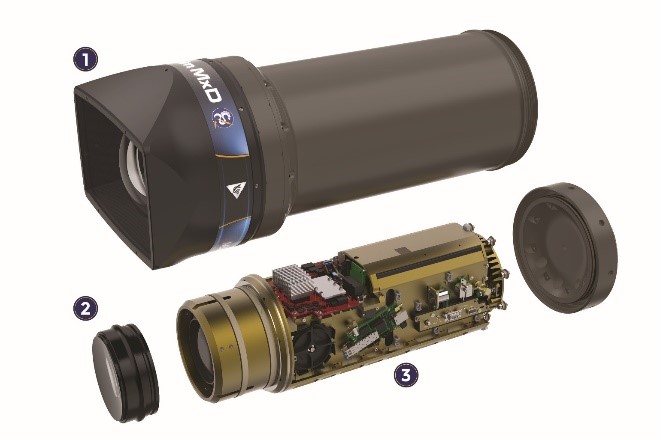
Achieving the performance goals for the camera was going to require a large, precision optical dome port – larger than any commercial housing available for these depths at the time. Given the expected 10-year service life of the camera, this new housing would also require unparalleled reliability. With two subsea 4K cameras already in production, DeepSea not only understood the system-level challenges, but had the combination of, simulation, manufacturing, expertise in hydrostatic dome ports, and validation capabilities needed to successfully produce the housing.
The camera required a bespoke optical adapter between the wide-angle zoom lens and the high-pressure dome port. Given the wide field-of-view and long telephoto range specifications, this optical adapter needed to balance many competing optimizations to achieve the high-resolution and low-distortion image targets across the telephoto and focal range of the system. This challenge was identified early on as the largest technical hurdle of the project. With decades of experience designing and producing best-in-class subsea optics used with Amphibico, Gates, and Light & Motion housings, Fathom Imaging was tasked with the optical adapter design to adapt the zoom lens with the dome port housing.
A key insight gained from MBARI’s investigation into commercial 4K cameras was the lack of professional-grade video camera operator and painting controls needed to get the most out of an imaging system. With decades of combined fieldwork and the perspectives from scientists and videographers alike, MBARI was in a unique position to understand what the camera operators needed and had the engineering capabilities to design and manufacture the chassis, camera control, and telemetry system. The chief challenges in the chassis were modifying the stock camera module to achieve the smallest housing possible, the thermal design, accommodating the precision optical alignment requirements, and the integration of smooth and responsive lens controls.
Building
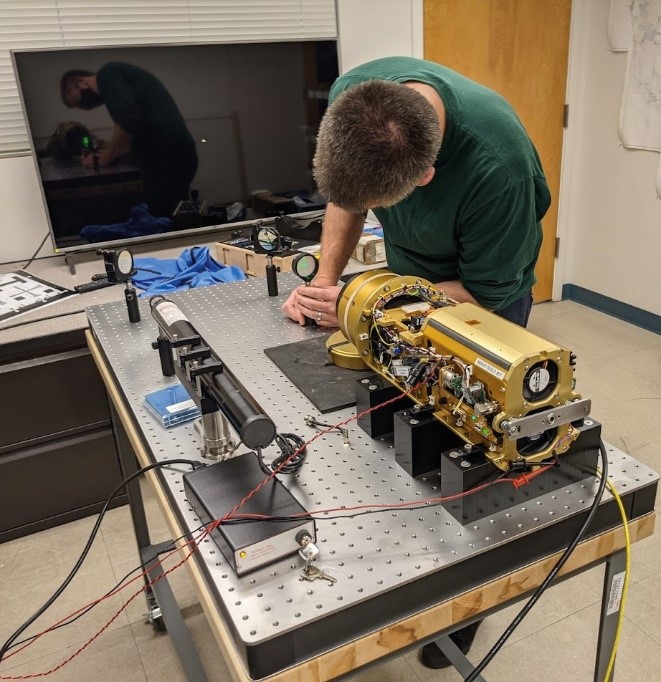
The team was assembled, and over the course of 2020-2021 the camera’s ambitious design took shape. The result of this collaboration is the MxD® SeaCam® – a first-of-its-kind “Blue Chip” 4K subsea imaging system. DeepSea wrapped up design of the housing in March 2021 after completing more than 10,000 pressure cycles to 7,000-meters, assessment of thermal shock performance, and in-situ validation of the finite element model used to optimize the mechanical design.
The optical design process is an iterative exercise, and more than a dozen designs were evaluated before the team chose the final prescription. Fathom completed the adapter cell in April 2021 following extensive verification of the individual elements and spacers. As a final verification step on the assembled cell, the results of a shearing interferogram were validated against simulations based on the design prescription.
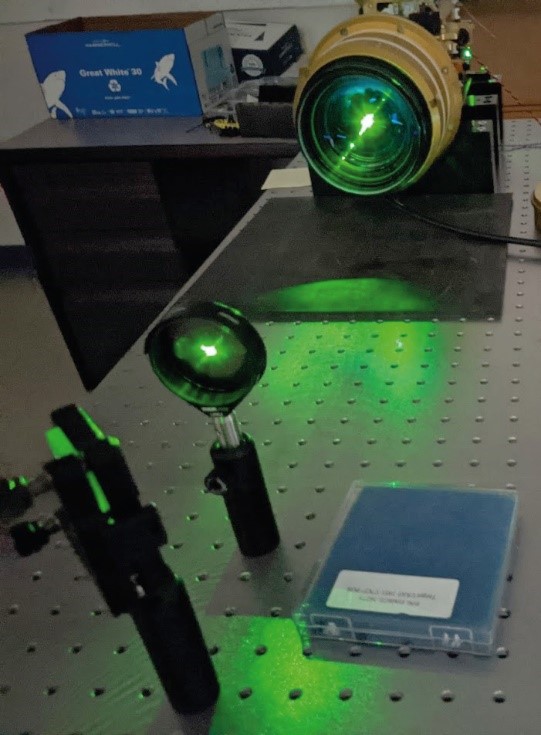
It fell on the team at MBARI to do the final assembly and calibration of the optical components. The optical design sensitivity analysis allowed the team to focus on the tightest tolerance parameters and come up with a process that would ensure all of the elements of the optical path came into perfect alignment. The MBARI team used a combination of techniques, including aligning optical surfaces by the concentric reflections produced by a laser to calibrate each part of the optical path.
Deploying